
March 2026
FORGIVE TO LOVE
It’s hard to love when you’re still hurting.
You smile, nod, say “I’m fine.” But something is stuck in your soul. A bitter memory. A betrayal. A disappointment that refuses to fade. You thought you’d moved on—but every time that person’s name comes up, your jaw tightens. Your heart races. Your thoughts loop back to what happened.
That’s why forgiveness is not just a noble idea—it’s a necessity for love. “Be kind to one another, tender-hearted, forgiving one another, as God in Christ forgave you” (Ephesians 4:32).
Forgiveness is the conscious decision to release resentment and the desire for revenge. It’s not about forgetting or pretending harm didn’t happen. It’s about healing so that love can live again.
One young man, we’ll call him Adam, struggled for years to forgive his father. His dad’s angry outbursts and cutting words had carved wounds in Adam’s heart. “I know I should forgive,” Adam admitted, “but I can’t.”
His breakthrough came when Adam saw that forgiveness is not saying, “It’s okay.” It’s not sweeping the truth under the rug. Jesus said, “If your brother sins against you, rebuke him; and if he repents, forgive him” (Luke 17:3). Forgiveness is not silence. It names the wrong and then chooses to cancel the debt—not because the other person deserves it, but because Christ has canceled ours.
Adam began to see that forgiveness isn’t about trust. Trust is about the future; forgiveness is about the past. Forgiveness is free. Trust is earned. Forgiveness takes one. Trust takes two.
“I can forgive my dad,” Adam realized, “without pretending I trust him.”
That moment changed everything. Not overnight. But gradually. Like an open wound starting to close.
Forgiveness, studies show, is more than emotional relief—it’s physical healing too. People who choose to forgive have lower blood pressure, better sleep, reduced pain, and stronger immune systems. Their relationships are healthier. Their minds are clearer. They’re more resilient, less anxious, and even live longer.
But perhaps most important of all— forgiveness sets you free to love.
Holding on to hurt is like having a sunburn. Even a gentle touch feels like an attack. You push people away—not just the one who hurt you, but others who care. Healing “the burn” is the only way to receive love again.
That’s why Jesus, as He hung on the cross, prayed: “Father, forgive them, for they do not know what they are doing” (Luke 23:34). And that’s why Paul reminds us that “while we were still sinners, Christ died for us” (Romans 5:8).
Forgiveness is God’s strategy for freeing us from bitterness and restoring the possibility of love.
It doesn’t mean ignoring justice. It doesn’t mean staying in harm’s way. It means letting go of the poison so love can grow.
Maybe, like Adam, you’ve been holding on to pain. Maybe someone never apologized. Maybe you think forgiving them makes you weak. But forgiveness is not weakness—it’s strength.
Everett Worthington, a Christian psychologist, lost his mother to a violent crime. Through the pain, he discovered five steps to forgiveness:
Recall the hurt. Empathize with the offender. Offer forgiveness as an altruistic gift. Commit to forgive. Hold on when doubts return.
And above all—pray.
Forgiveness begins with prayer.
Ask God: “Where do I still feel bitter? What are You inviting me to release?”
Then take one step toward love—a prayer, a kind word, a text, or a moment of release.
Forgiveness doesn’t change the past. But it changes your future.
Because only when you forgive…
Can you truly love.
– Mike Lemon
Upcoming Episodes
MARCH 7
When Science Could Not Explain It
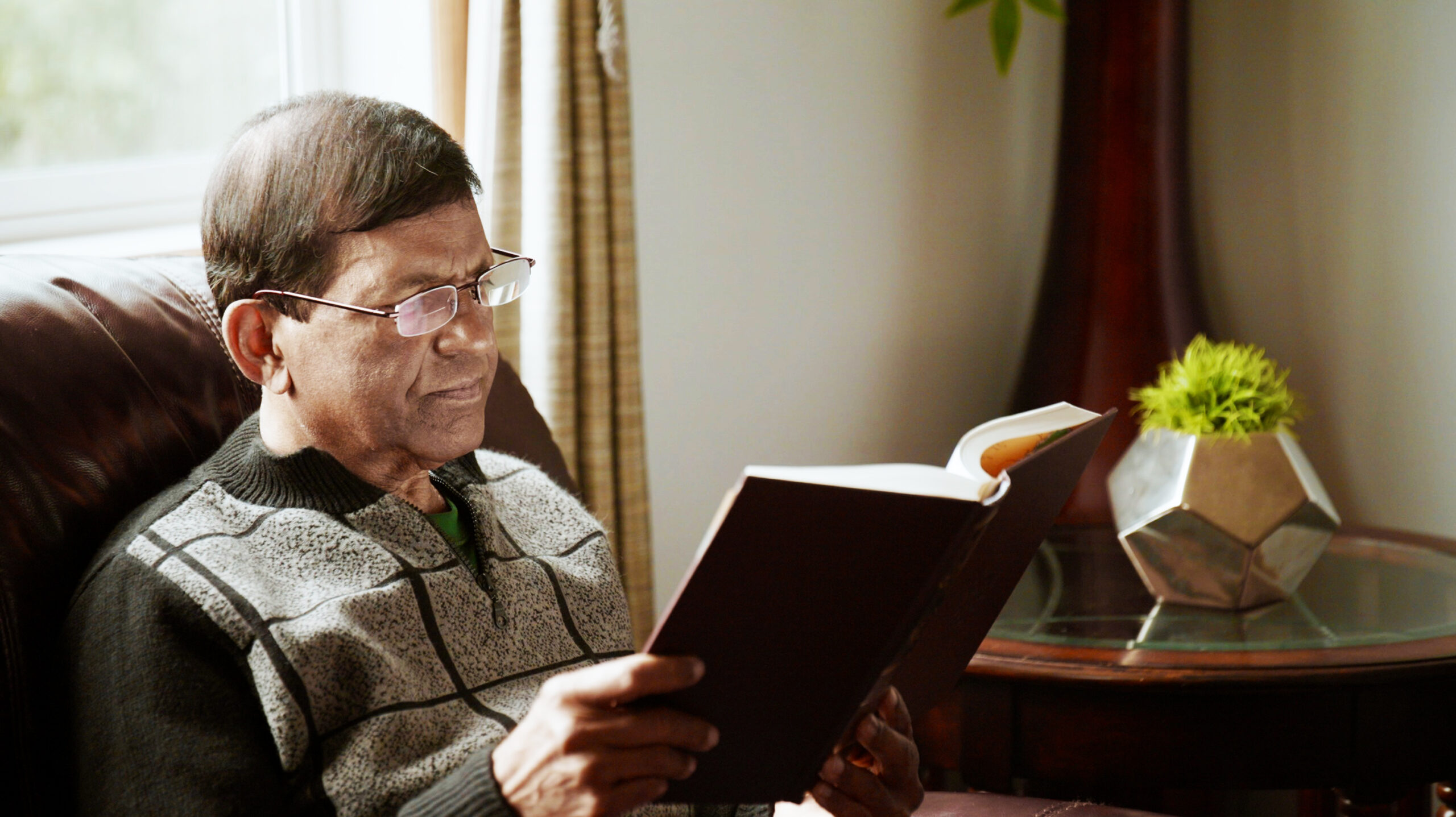
When patients come to him with conditions that seem to have no clear medical explanation, physician Dr. Josiah Rambally begins to look beyond the physical symptoms and ask deeper questions. In this compelling interview, he shares real-life cases where medical science reached its limits, yet faith in Jesus Christ brought hope, healing, and lasting transformation—revealing the powerful impact when medicine and faith intersect.
MARCH 14

When Everything Isn’t Enough
Luke looked successful on the outside, but inside he was hurting—haunted by loss, fear, and a life lived behind walls. Luke’s fear of loss— the promise he made as a 17-year-old in a cold hospital basement—followed him right into adulthood. Just when he was ready to give up, God intervened.
MARCH 21

From Basement Despair to Living Hope
A successful businessman with a beautiful family—and a secret double life. When Luke reached the breaking point, alone with a handgun in a basement, God stepped into the darkness and began rewriting his story. This is a raw, honest journey from addiction and emptiness to freedom, healing, and a life rebuilt through Jesus Christ.
MARCH 28

How to Defeat All Diseases
Dr. Chidi shows how the journey to reverse lifestyle diseases is not a punishment, but a promotion into a better, freer life—where stress relief, plant-based eating, movement, and forgiveness all work together.


THIS MONTH’S FREE OFFER – What to Do When You Can’t Forgive- Touch Points Tract.
When words are hard to find and emotions run deep, this free tract offers gentle, faith-filled guidance for life’s toughest questions.
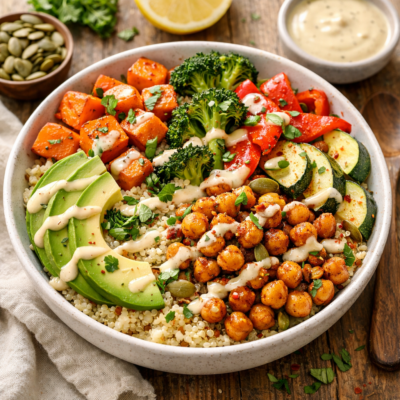
LEMON CHICKPEA VEGGIE BOWL
ROASTED VEGGIES:
- 2 cups sweet potato, cubed
- 2 cups broccoli florets
- 1 red bell pepper, sliced
- 1 zucchini, sliced
- 2 tbsp olive oil
- 1 tsp garlic powder
- 1 tsp smoked paprika
- Salt & pepper to taste
CHICKPEAS:
- 1 can (540 ml) chickpeas, drained & rinsed
- ½ tsp cumin
- ½ tsp paprika
- Pinch salt
BASE:
- 2 cups cooked quinoa or brown rice
LEMON-TAHINI DRIZZLE:
- ¼ cup tahini
- Juice of 1 lemon
- 1 small garlic clove, minced
- 2–4 tbsp warm water (to thin)
- Pinch salt
OPTIONAL TOPPINGS:
- Fresh parsley or cilantro
- Avocado slices
- Pumpkin seeds or sunflower seeds
- Chili flakes
INSTRUCTIONS:
- Roast veggies: Toss vegetables with olive oil and seasonings. Roast at 400°F (200°C) for 20–25 minutes until tender and lightly caramelized.
- Warm chickpeas: Heat chickpeas in a pan with cumin, paprika, and salt for 5 minutes.
- Mix sauce: Whisk all drizzle ingredients until smooth and creamy.
- Assemble: Layer quinoa, roasted veggies, and chickpeas in bowls. Drizzle generously with lemon-tahini sauce and add toppings.